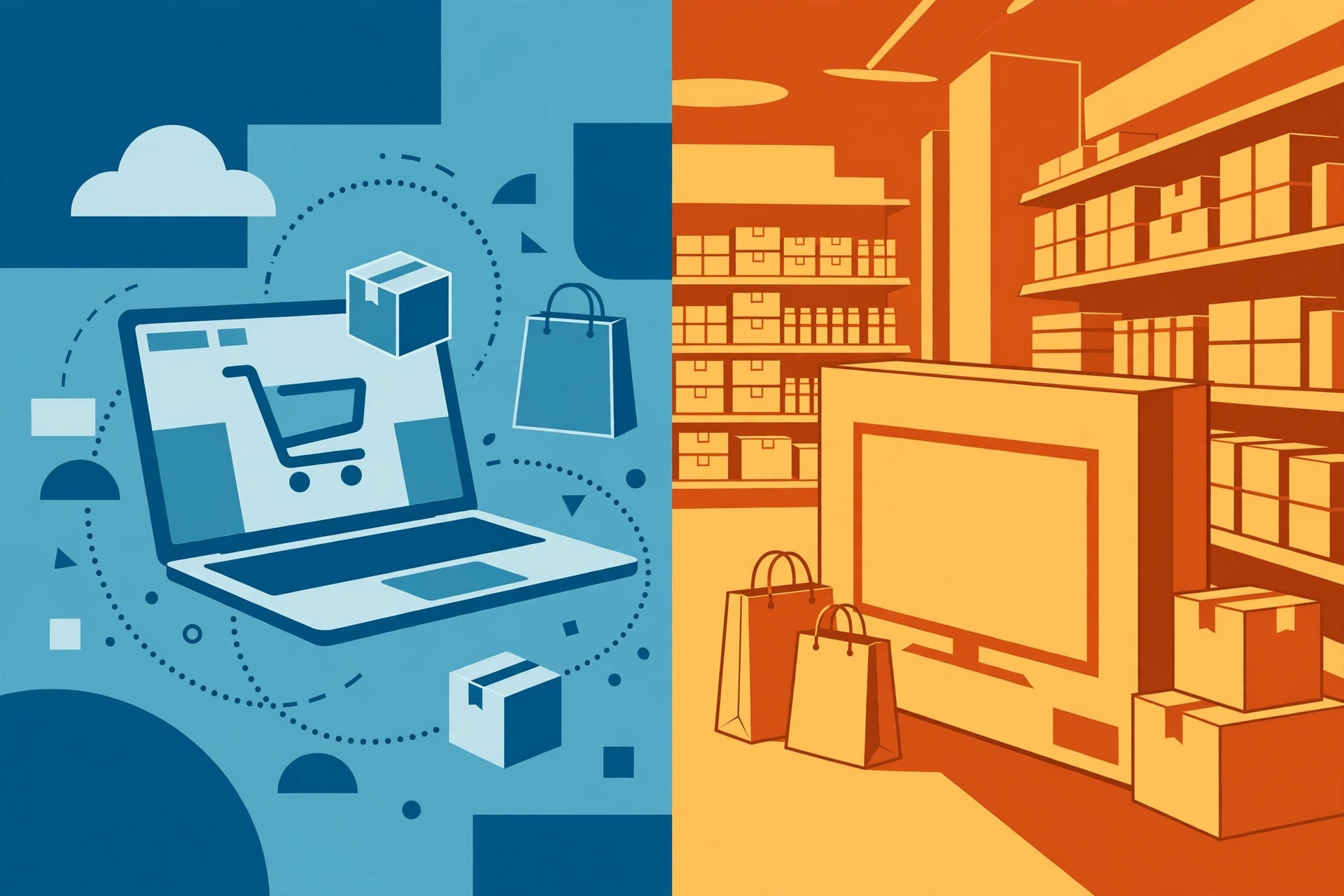
"Which day is better" is the wrong question, and it is why shoppers leave money on the table every year. The two days specialize: big-ticket items and in-store categories peak on Black Friday, while electronics and computers peak on Cyber Monday. Shoppers who treat the whole weekend as one event — and buy each item on its day — get the best of both.
The category table: 2026 forecast data
Adobe's 2026 forecast gives each category a "peak" discount — the deepest cut it expects. Keep in mind that "peak" means the maximum; the average item gets less. Adobe expects 2026 discounts to roughly match 2025, not deepen.
| Category | Better day | Peak discount (Adobe 2026 forecast) |
|---|---|---|
| Electronics | Cyber Monday | 30% |
| Computers | Cyber Monday | 23% |
| TVs | Black Friday | 23% |
| Toys | Black Friday | 29% |
| Apparel | Black Friday | 23% |
| Appliances | Black Friday | Best day, no forecast number given |
| Furniture | Black Friday | Best day, no forecast number given |
The scale behind the split: Adobe forecasts $12.9 billion in U.S. online sales on Black Friday and $15.1 billion on Cyber Monday — Monday remains the bigger sales day overall, but Friday is growing faster as shoppers take early deals.
The season now starts in October
Black Friday and Cyber Monday are no longer the only dates that matter. Early October sales events pushed shopping earlier, and Adobe expects $95.8 billion in U.S. online spending in October 2026 alone, up 8% from last year. Start tracking your wishlist prices now — a price tracker on the items you want tells you whether the November "deal" is real or a restyled regular price. Also note that more than half of online holiday spending now happens on mobile, so a slow mobile checkout on your phone can cost you a time-limited doorbuster.
The shopper-profile decision framework
Categories are half the story. The other half is your situation. Run yourself through this:
- The specific-item hunter: you know the exact model. Buy on its category day — but buy on Black Friday if stock looks thin, because limited-stock items sell out and don't come back Monday. If a gaming console is at a decent price on Friday, buy it rather than gambling on Monday.
- The gift buyer: toys and apparel peak on Black Friday. Waiting until Monday saves little on these categories and costs you the in-store option.
- The big-ticket buyer: TVs, appliances, furniture. Black Friday, ideally in store — you can see the product first, and store pickup saves delivery fees that can erase an online "discount."
- The tech upgrader: laptops, tablets, computers. Cyber Monday is your day, with the deepest cuts and online-exclusive bundles.
- The crowd avoider: Cyber Monday is mostly online, with easier price comparison across tabs. Black Friday runs in-store and online, so you can still participate without entering a store.
Compare the total cost, not the discount
A bigger discount can still cost you more once shipping and return fees are added. Use this formula on every purchase: final price = sale price + shipping + return fees. A 20% Black Friday discount with free store pickup often beats a 30% Cyber Monday discount with delivery fees and return shipping on the same item. Run the math per item; the percentage is marketing, the total is money.
A note on why this guide has no numbered procedure
This is a buying-decision guide, not a how-to — there is no sequence of steps to follow. The decision framework above is the actionable part: identify your category, identify your shopper profile, compare the total cost, and buy each item on its day. If the item is limited-stock, buy on the first good day instead of waiting for the "right" one.